

Menu

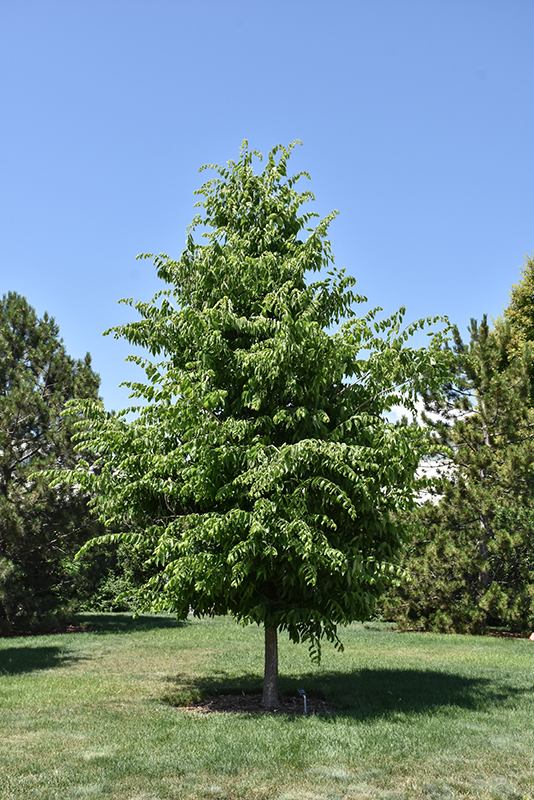
With its corky bark, broad canopy, and nutritious berries the Common Hackberry is another high-quality native tree that often doesn’t receive as much credit as it deserves. These tough shade trees tolerate rocky soils, high pH, road salt exposure, drought, and short term flooding. Hackberries are also an acceptable partner for properties with existing Black Walnut (Juglans nigra), as they have reasonable juglone tolerance. That right there is an IMPRESSIVE resume of resilience!
The persistent and long-lasting berries form in the summer, and typically ripen in September. These fruits provide quality nutrition for robins, cedar waxwings, and many other Wisconsin & migratory bird species. The leaves of the tree are a primary food source for a large number of caterpillars, including but not limited to the Hackberry Emperor (Asterocampa celtis), Tawny Emperor (Asterocampa celtis), Mourning Cloak (Nymphalis antiopa) and Eastern Comma (Polygonia comma). These butterfly species rely on very specific species to reproduce and maintain healthy local populations.
But what about the BUMPS on the LEAVES?!? Curious outdoorsy kids (and observant adults!) are quick to spot the bumps that frequently cover the leaves of our Wisconsin hackberries through the summer and into fall. Inside each “bump” is a young insect (hackberry psyllid) safe inside the leaf, feeding on sap until it is ready to emerge as an adult. These tiny residents don’t harm the trees, and are simply a part of our ecosystem. Rather than thinking of them as symptoms of disease, try thinking of them as dorm rooms for young critters that will grow up and move out.
So what’s not to like? Young hackberries can appear lanky and asymmetrical, and we consider them a bit of an “ugly duckling” during establishment. When transplanted, they can take a season or two to recover. However, once they are established they are extremely tough and a solid option for challenging conditions. These nurturing trees are an essential part of our ecosystem and will add so much beauty to your landscape.
Learn more about the Common Hackberry in our Plant Directory.
Nursery Hours
Sunday: 10:00am - 3:00pm
Monday: CLOSED
Tuesday: 9:00am - 6:00pm
Wednesday: 9:00am - 6:00pm
Thursday: 9:00am - 6:00pm
Friday: 9:00am - 6:00pm
Saturday: 9:00am - 4:00pm
Financing


Copyright © 2026 Piala’s Nursery & Garden Shop · All Rights Reserved